If your lawn has started to look thin, patchy, or just a little tired no matter how much you water it, thatch might be the hidden culprit. A thick layer of thatch can block water, air, and nutrients from reaching the soil. That leads to weak roots and stressed grass.
So the big question homeowners ask is this: is dethatching in fall or spring the better choice?
The answer depends on your grass type, your climate, and the overall health of your lawn. Let’s break it down in simple terms.
What Is Thatch and Why Does It Matter?
Thatch is a layer of dead grass stems, roots, and organic debris that builds up between the green blades and the soil surface. A thin layer is completely normal and even beneficial. It can help insulate the soil and retain moisture.
Problems start when that layer becomes too thick, typically more than half an inch. According to turfgrass experts at universities like Penn State Extension, excessive thatch can restrict water infiltration and root growth.
When that happens, your lawn may show signs like:
- Spongy feeling underfoot
- Increased disease problems
- Water running off instead of soaking in
- Brown or thinning patches
That is when dethatching becomes necessary.
Dethatching in Fall or Spring: What Is the Difference?
Timing is important because dethatching can stress your lawn. You want to do it when grass is actively growing so it can recover quickly.
For cool season grasses such as Kentucky bluegrass, fescue, and ryegrass, early fall is often ideal. The weather is cooler, soil is still warm, and grass growth is strong. Many lawn care experts consider early fall the best time for dethatching in fall or spring when dealing with cool season lawns.
Spring is also an option, especially late spring once the grass is actively growing. However, early spring dethatching can interfere with root development if done too soon.
For warm season grasses such as Bermuda or zoysia, late spring to early summer is usually better. These grasses thrive in warmer temperatures and recover more quickly during their peak growing season.
Why Fall Is Often Recommended
When comparing dethatching in fall or spring, fall has a few advantages for many homeowners with cool season lawns.
- Grass is actively growing but not under heat stress
- Weed pressure is typically lower than in spring
- There is time for overseeding after dethatching
- Soil temperatures support strong root development
If you dethatch in early fall, you can also overseed immediately. The exposed soil helps new seed make better contact with the ground, leading to thicker growth.
When Spring Makes Sense
Spring dethatching can still be effective under the right conditions. If your lawn developed a heavy thatch layer over winter or you missed the fall window, late spring may work.
The key is timing. Avoid dethatching too early when grass is just coming out of dormancy. Wait until you see consistent, active growth.
If you choose spring, follow up with proper watering and fertilization to help the lawn recover quickly.
When deciding on dethatching in fall or spring, always consider the current condition of your yard. A stressed or drought affected lawn may need recovery time before you introduce additional stress.
Signs Your Lawn Actually Needs Dethatching
Not every lawn requires dethatching every year. In fact, many do not.
You can check by cutting a small wedge from your lawn and measuring the thatch layer. If it is less than half an inch, dethatching may not be necessary.
Other signs include:
- Poor water absorption
- Increased pest issues
- Uneven growth patterns
- Spongy texture when walking
If you are unsure, a simple inspection can save you unnecessary work.
What to Do After Dethatching
No matter whether you choose dethatching in fall or spring, what you do afterward matters just as much.
After dethatching:
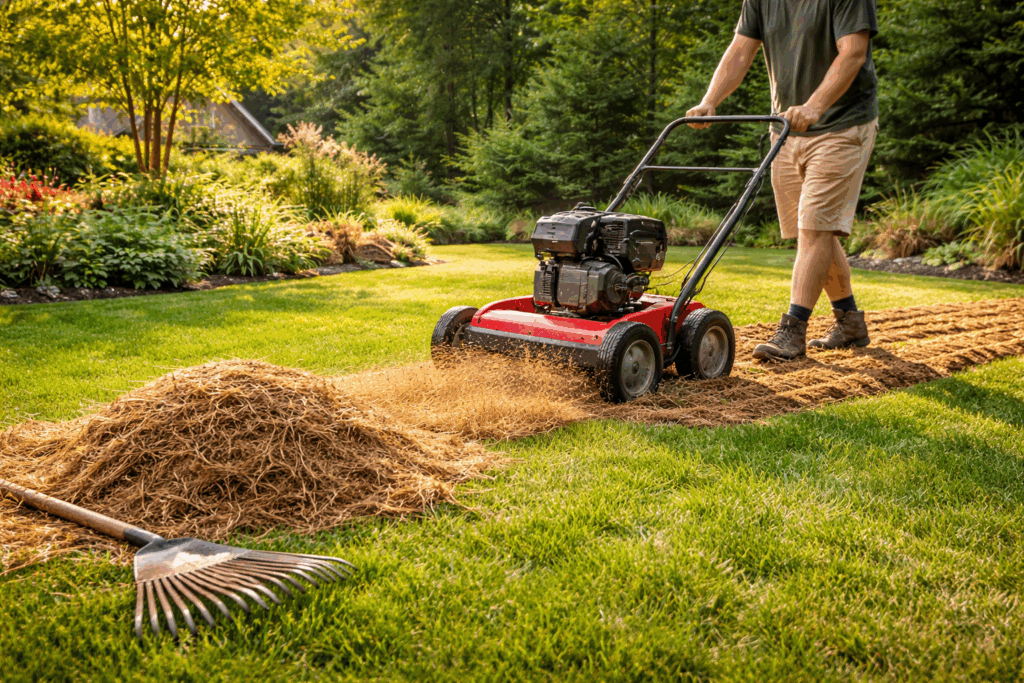
- Rake up loosened debris
- Water lightly and consistently
- Consider overseeding if your lawn is thin
- Apply a balanced fertilizer if needed
This helps your grass fill in quickly and regain strength.
Final Thoughts
So is dethatching in fall or spring better? For most cool season lawns, early fall tends to offer the best recovery conditions. Spring can still work if timed properly. Warm season lawns generally respond best to late spring or early summer dethatching.
The key is understanding your grass type and paying attention to its growth cycle. When done at the right time, dethatching can significantly improve lawn health, allowing water, nutrients, and air to reach the roots more effectively.
If your lawn feels spongy or struggles despite regular care, it may be time to look below the surface. A properly timed dethatching could be exactly what your grass needs to thrive again.