As the leaves change color and temperatures begin to drop, fall becomes the perfect time to prepare your home and garden for winter. A thorough fall cleanup not only keeps your property looking neat but also prevents future problems like clogged gutters, damaged lawns, or pest infestations. Whether you’re tackling the yard, the garden, or your home’s exterior, fall cleanup is about setting the stage for a healthy and stress-free spring.
Why Fall Cleanup Matters
Many homeowners assume that yard work ends when summer does, but fall is one of the most important maintenance seasons of the year. According to the National Association of Landscape Professionals, cleaning up in autumn helps reduce diseases, improves soil quality, and keeps your landscape healthy through the cold months. A proper fall cleanup prevents mold growth, protects plants, and ensures your property stays in top shape when winter hits.
Start with Leaf Removal
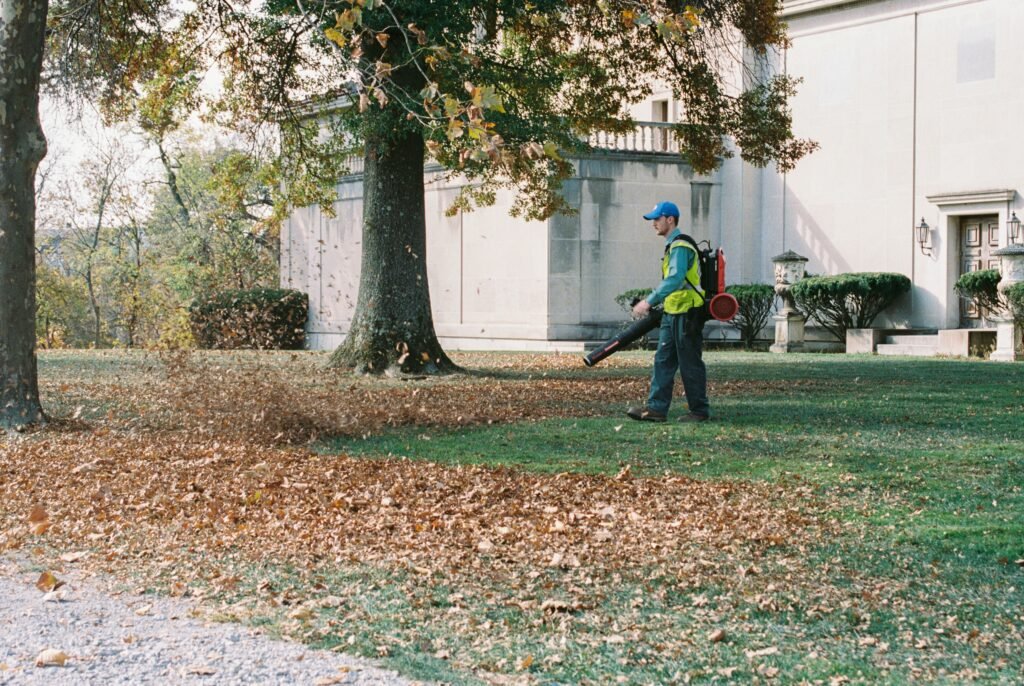
Falling leaves might look beautiful, but if left to pile up, they can suffocate your lawn and create soggy, moldy patches. Start your fall cleanup by raking or blowing leaves into manageable piles. You can compost them, use them as mulch, or bag them for collection. If you have a large yard, consider using a mulching mower—chopped leaves break down faster and return nutrients to the soil.
Pro Tip: Avoid letting wet leaves sit on your driveway or walkways; they can become slippery and hazardous.
Clean Out Garden Beds and Remove Dead Plants
After the growing season ends, your garden beds need attention. Pull out dead or diseased plants to prevent pests from overwintering in the soil. Remove old mulch, spent flowers, and weeds that could compete with your spring blooms. If you grow vegetables, clear out the remains of crops and till the soil lightly to aerate it.
You can also plant cover crops like clover or rye to enrich the soil naturally. Adding compost or organic fertilizer now gives nutrients time to break down over the winter, preparing your garden for healthy spring growth.
Trim Trees and Shrubs
Pruning is an essential part of fall cleanup. Remove dead or overgrown branches from trees and shrubs, especially those near your house or power lines. This prevents broken limbs during winter storms and improves the plant’s structure. Late fall, after leaves drop, is an ideal time to prune because you can clearly see the tree’s shape.
Safety Reminder: For large trees or branches close to electrical lines, it’s best to hire a professional arborist instead of attempting the job yourself.
Mow and Aerate Your Lawn
Before you store your mower for the season, give your lawn one last trim. Set the blade to about 2.5 inches—short enough to prevent matting but long enough to protect the roots. Then, aerate the soil to improve airflow and water absorption. Aeration helps loosen compacted soil, allowing nutrients and oxygen to reach grass roots.
If your lawn has bare spots, overseed them during fall cleanup. Grass seed germinates well in cool weather, ensuring a lush, green yard next spring.
Clean Gutters and Downspouts
Fallen leaves don’t just clutter the yard—they also clog gutters. Blocked gutters can cause rainwater to overflow and damage your roof, siding, or foundation. Use a sturdy ladder and gloves to scoop out leaves and debris, then flush the system with a garden hose to check for proper drainage.
If climbing ladders isn’t your thing, consider installing gutter guards or hiring a professional service. Keeping gutters clean during fall prevents ice dams and costly water damage in winter.
Prepare Outdoor Furniture and Tools
As temperatures drop, it’s time to store or protect outdoor furniture and tools. Clean patio chairs, tables, and grills, and cover or move them indoors to prevent rust and weather damage. Empty flower pots and store them upside down to avoid cracking.
Drain and coil garden hoses, and shut off outdoor water valves to prevent freezing. Clean garden tools with warm soapy water, dry them thoroughly, and coat metal parts lightly with oil to prevent rust. These small steps ensure your gear stays in great shape for next season.
Inspect and Maintain Hardscapes
Fall cleanup isn’t just about greenery—your driveway, patio, and walkways need care too. Sweep and power-wash surfaces to remove dirt, algae, and moss. Check for cracks or uneven areas in concrete and repair them before freezing temperatures cause further damage.
Adding a sealant to driveways or stone surfaces helps protect them from winter weather. This step also reduces slipping hazards and keeps your property looking polished year-round.
Prepare Flower Beds and Bulbs
If you want colorful blooms in spring, fall is the time to plant bulbs like tulips, daffodils, and hyacinths. Dig holes deep enough to protect them from frost and cover with mulch. In existing flower beds, trim perennials down to about 3 inches and add a fresh layer of mulch to insulate roots.
This extra insulation helps maintain soil moisture and prevents plants from drying out in cold winds.
Compost Yard Waste
Instead of throwing away leaves, grass clippings, and plant debris, turn them into compost. Composting during fall cleanup reduces landfill waste and provides free, nutrient-rich material for your garden. Alternate layers of green (fresh) and brown (dry) waste, keep the pile moist, and turn it regularly to speed up decomposition.
By spring, you’ll have rich compost ready to mix into garden beds or use as mulch.
Final Touches Around the House
Finish your fall cleanup by inspecting the exterior of your home. Look for cracks in siding or foundation, clean outdoor lights, and replace any burned-out bulbs. Check weather stripping around doors and windows to improve insulation and reduce heating costs. Store summer decorations and bring out fall or holiday décor to give your house a warm seasonal touch.
If you have firewood, stack it neatly away from the house to prevent insects and rodents from nesting.
Conclusion
Fall cleanup is more than just tidying up—it’s about protecting your investment and preparing for the months ahead. By raking leaves, trimming plants, cleaning gutters, and winterizing outdoor spaces, you’re setting up your yard and home for success come spring. It’s a rewarding weekend project that pays off in fewer repairs, a healthier garden, and a cleaner, safer environment.