Starting your first flower bed can feel a little intimidating—but it’s also one of the most rewarding ways to bring beauty, color, and life to your home. Whether you have a large backyard or a small front porch, creating flower beds for beginners doesn’t require expert skills or expensive tools. With a few simple steps, you can build a vibrant garden that blooms all season long.
This beginner-friendly guide will help you plan, plant, and maintain a flower bed with confidence—so you can enjoy a thriving display of color year after year.
Why Start a Flower Bed
Flower beds instantly transform dull outdoor spaces into inviting, cheerful areas. They’re also easier to manage than many people think. A well-designed flower bed can:
- Improve your home’s curb appeal.
- Attract pollinators like bees and butterflies.
- Reduce stress and provide a relaxing hobby.
- Help control soil erosion and improve drainage.
- Offer seasonal color from spring through fall.
Best of all, flower gardening allows you to get creative—mixing colors, textures, and plant heights to design something truly personal.
Step 1: Choose the Perfect Location
The first step in creating a flower bed is finding the right spot. The location determines what kinds of flowers will thrive there.
Sunlight:
Most flowering plants need at least 6 hours of sunlight daily. Choose a sunny area for plants like roses, zinnias, or marigolds. If your space gets less sun, don’t worry—shade-loving plants like impatiens, begonias, and hostas will still flourish.
Drainage:
Avoid low-lying areas where water tends to pool. Standing water can drown roots and attract pests. If drainage is poor, consider a raised flower bed filled with well-draining soil.
Visibility:
Pick a spot where you’ll see and enjoy your flowers often—along a walkway, near a porch, or outside a window.
Step 2: Plan Your Flower Bed Design
Before you start digging, visualize how you want your flower bed to look. Planning ahead helps you select the right plants and create balance.
Shape and Size:
Start small. A 3×6-foot bed is easy to manage and gives you space to experiment. Curved edges often look more natural, while straight borders fit well in formal gardens.
Color Scheme:
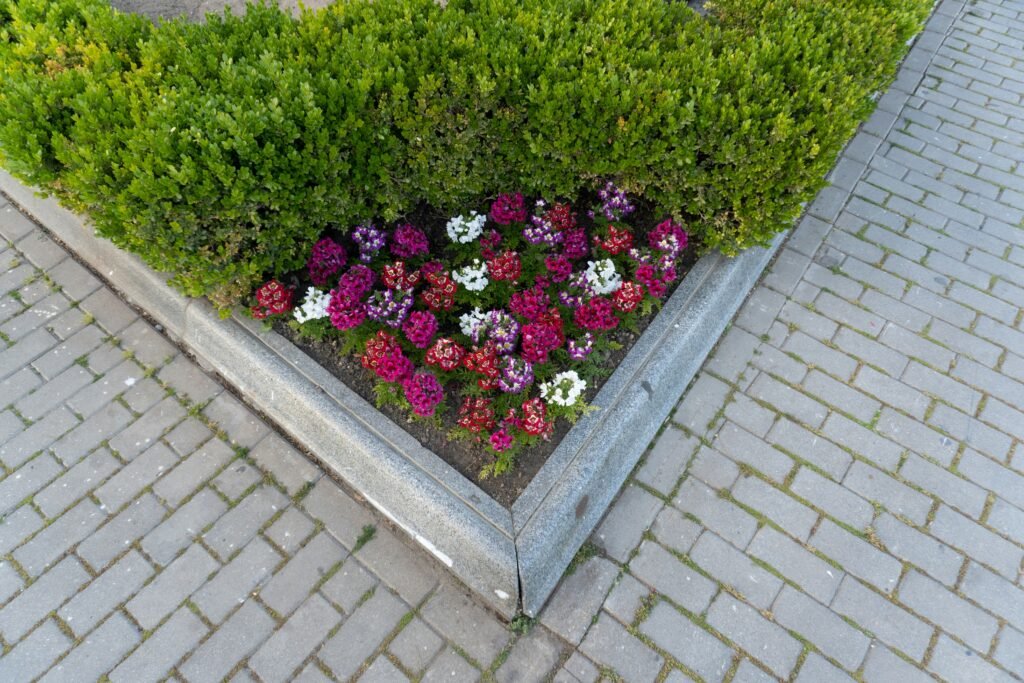
Choose a color palette that complements your home and yard. You can go for bold contrasts (like red and yellow) or calming tones (like blue, purple, and white).
Plant Height and Layers:
Arrange plants by height—taller flowers like sunflowers or delphiniums go in the back, medium plants like daisies or coneflowers in the middle, and low-growing flowers like alyssum or petunias along the front edge.
Bloom Times:
Mix flowers that bloom at different times of year. This ensures your garden stays colorful from spring through late fall.
Step 3: Prepare the Soil
Healthy soil is the foundation of a thriving flower bed. Even the most beautiful flowers will struggle in compacted or nutrient-poor soil.
Here’s how to prepare it:
- Remove grass, weeds, and debris from the chosen area.
- Loosen the soil to a depth of 8–12 inches using a garden fork or tiller.
- Mix in organic matter like compost, aged manure, or leaf mold. This improves drainage and adds nutrients.
- Rake the surface smooth and level before planting.
If your soil is heavy clay or sandy, you can test it using a simple squeeze test:
- Clay feels sticky and clumps easily—add sand and compost to improve texture.
- Sandy soil falls apart—add compost to retain moisture.
Step 4: Choose the Right Flowers
As a beginner, it’s best to start with low-maintenance flowers that are forgiving and easy to grow. Look for varieties that match your sunlight and climate.
Sun-Loving Flowers:
- Marigolds
- Zinnias
- Black-eyed Susans
- Cosmos
- Lavender
- Coneflowers
Shade-Loving Flowers:
- Begonias
- Impatiens
- Hostas
- Coleus
- Astilbe
- Foxgloves
Perennials vs. Annuals:
- Perennials (like daylilies and peonies) return year after year.
- Annuals (like petunias and marigolds) bloom for one season but offer bright, continuous color.
A mix of both gives you structure and variety—perennials form the base, while annuals fill gaps with seasonal bursts of color.
Step 5: Plant with Care
Once you’ve chosen your flowers, it’s time to plant.
- Dig holes twice as wide as each plant’s root ball but no deeper.
- Gently remove the plant from its pot, loosen the roots, and place it in the hole.
- Backfill with soil, pressing gently around the base to remove air pockets.
- Water thoroughly after planting to help roots settle.
For seed planting, follow the instructions on the packet regarding depth and spacing.
Remember not to overcrowd—plants need space for air circulation and growth.
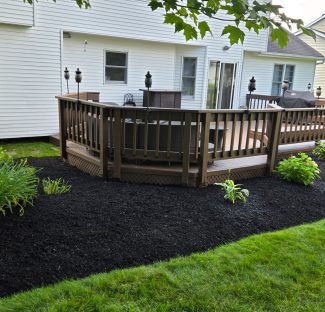
Step 6: Mulch and Water
After planting, add a 2–3 inch layer of mulch (such as shredded bark, straw, or compost) over the soil. Mulch helps:
- Retain moisture.
- Suppress weeds.
- Keep roots cool in summer and warm in winter.
Water your flower bed deeply about once or twice a week, depending on weather. It’s better to water less frequently but thoroughly than to sprinkle lightly every day. Morning watering is best—it gives the plants time to dry before evening, reducing disease risk.
Step 7: Maintain and Enjoy
Maintenance keeps your flower bed healthy and beautiful all season long.
Deadhead spent blooms: This encourages plants to produce more flowers instead of seeds.
Weed regularly: Weeds steal nutrients and water from your flowers.
Feed lightly: Apply a balanced fertilizer every 4–6 weeks during the growing season.
Prune and trim: Remove damaged leaves and shape overgrown plants to keep the bed tidy.
If pests show up, try natural solutions first—like neem oil or insecticidal soap—to protect your garden’s ecosystem.
Step 8: Keep It Simple and Experiment
Don’t worry if your first flower bed isn’t perfect. Gardening is all about experimenting, observing, and learning what works best for your soil and climate. Each season, you’ll gain experience and confidence—and maybe discover new favorite flowers along the way.
Start small, stay consistent, and enjoy the process. Over time, you’ll develop a natural eye for color combinations, plant placement, and seasonal rhythm.
Final Thoughts
Creating flower beds for beginners is a fun, fulfilling way to connect with nature and brighten your outdoor space. With good sunlight, healthy soil, and a bit of care, your garden will reward you with months of color, fragrance, and life.
Whether you’re planting in front of your home, along a walkway, or in a backyard corner, every bloom you grow adds beauty to your surroundings—and joy to your day.