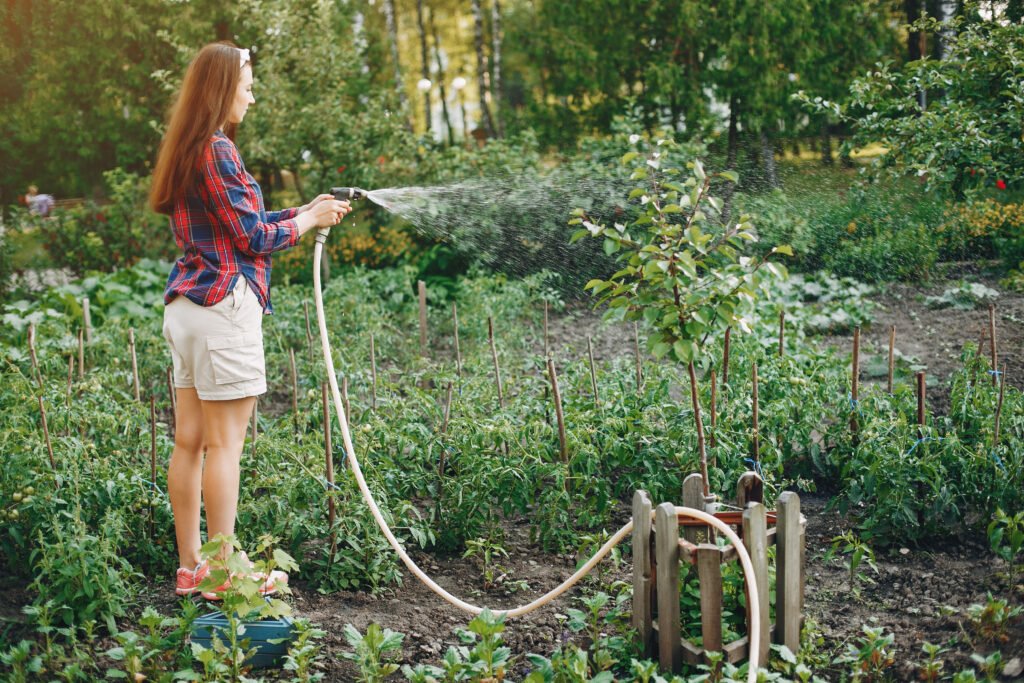
Water is essential for a healthy yard, but too much of it can do more harm than good. Many homeowners assume more water means better growth, but that is not always true.
In fact, overwatering in landscaping is one of the most common mistakes that can damage plants, weaken soil, and create long-term problems.
Let’s break it down so you can keep your landscape healthy and balanced.
What Is Overwatering in Landscaping
Overwatering happens when plants receive more water than they actually need.
Instead of helping, excess water fills the air spaces in the soil, preventing roots from getting oxygen. This can lead to root damage and poor plant health.
Why Overwatering Is a Problem
Too much water may seem harmless, but it can cause serious issues.
According to gardening experts, overwatering is one of the leading causes of plant failure, even more than underwatering.
With overwatering in landscaping, you may face:
• Root rot and plant decay
• Fungal growth and mold
• Weak or shallow root systems
• Increased pest problems
These issues can quickly affect the entire yard.
Common Signs of Overwatering
Recognizing the signs early can help you fix the problem before it gets worse.
Yellowing Leaves
Leaves turning yellow instead of green can indicate too much water.
Wilting Despite Wet Soil
Plants may look wilted even when the soil is wet, which is a sign of root stress.
Mushy or Soft Roots
Roots that feel soft or smell unpleasant may be rotting.
Mold or Fungal Growth
Excess moisture creates the perfect environment for mold and fungus.
Standing Water or Soggy Soil
If water sits on the surface or the soil feels constantly wet, overwatering is likely.
These are clear indicators of overwatering in landscaping.
What Causes Overwatering
Several factors can lead to excessive watering.
• Watering too frequently
• Poor drainage in the soil
• Using the same watering schedule for all plants
• Heavy clay soil that retains water
• Automated irrigation systems without proper control
Understanding the cause helps you correct the issue.
How to Fix Overwatering
The good news is that you can fix overwatering with a few simple steps.
Adjust Your Watering Schedule
Water plants only when needed instead of following a fixed routine.
Improve Soil Drainage
Add organic matter or sand to help water move through the soil.
Check Irrigation Systems
Ensure sprinklers or drip systems are not over-delivering water.
Allow Soil to Dry
Give the soil time to dry out between watering sessions.
Remove Damaged Plants
In severe cases, you may need to remove plants that cannot recover.
Prevention Tips for Healthy Landscaping
Preventing overwatering is easier than fixing it.
• Water early in the morning for better absorption
• Group plants with similar water needs
• Use mulch to retain moisture
• Monitor soil before watering
These simple habits can make a big difference.
When to Call a Professional
If the problem continues despite your efforts, it may be time to get expert help.
You should consider a professional if:
• Large areas of your yard are affected
• Drainage issues persist
• Plants continue to die
• You need irrigation system adjustments
Professionals can identify deeper issues and provide long-term solutions.
Final Thoughts
Watering is essential, but balance is key. Too much water can be just as harmful as too little.
By understanding overwatering in landscaping, you can protect your plants, improve soil health, and maintain a thriving outdoor space.
A little awareness goes a long way in keeping your landscape healthy.