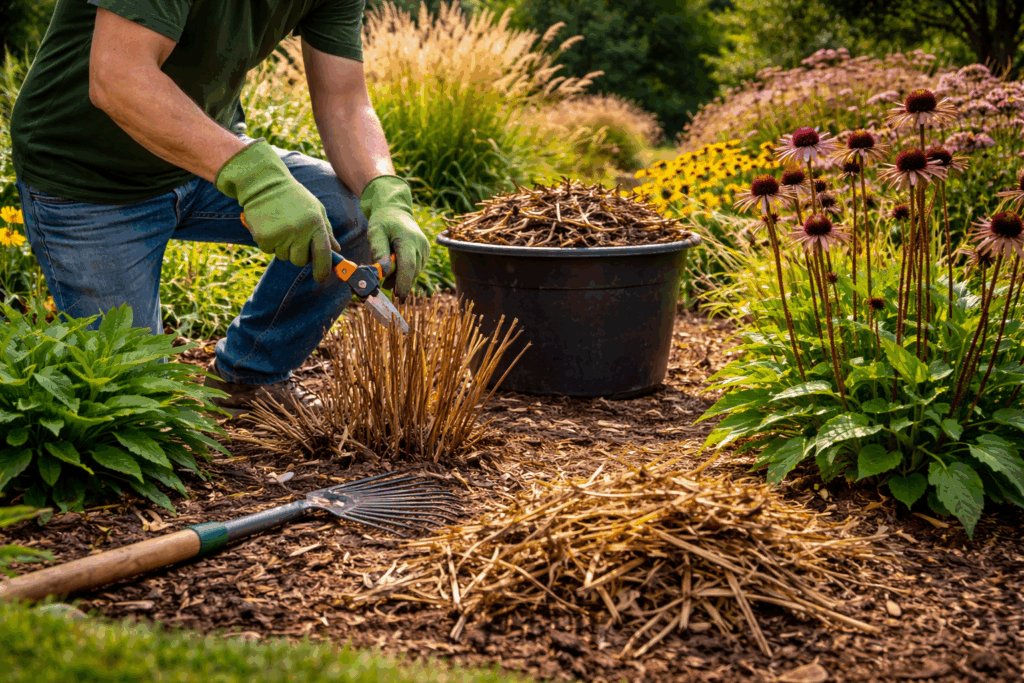
If you love a colorful garden that comes back year after year, perennials are probably your go to plants. They are dependable, low maintenance, and often the backbone of a beautiful landscape. But one question almost every gardener asks at some point is this: when should I do a perennial cut back?
Timing and technique matter more than you might think. Cutting back at the right time can improve plant health, boost blooms, and keep your garden looking neat instead of overgrown. Let’s walk through how to handle perennial cut back the right way.
What Does Perennial Cut Back Actually Mean?
A perennial cut back simply means trimming the stems and foliage of perennial plants either during the growing season or after they have finished blooming. The goal is to remove dead or fading growth so the plant can redirect energy into roots or fresh new shoots.
Not all perennials need to be cut back at the same time. Some benefit from trimming in early summer after their first bloom. Others should be left standing until fall or even late winter.
Understanding your specific plants is the key to a successful perennial cut back routine.
Why Cutting Back Perennials Is Important
You might wonder if trimming is really necessary. After all, plants grow naturally without our help. That is true, but in a garden setting, maintenance improves both appearance and plant performance.
A proper perennial cut back can:
- Encourage a second round of blooms
- Prevent disease by removing dead material
- Improve air circulation
- Keep plants compact and tidy
- Support stronger root systems
According to horticulture experts at university extension programs, removing spent blooms, a process known as deadheading, can significantly extend flowering in many perennial varieties.
In short, cutting back is not just about looks. It supports overall plant health.
Spring or Fall: When Should You Cut Back?
One of the most common questions about perennial cut back is whether it should be done in spring or fall.
The answer depends on the plant type and your climate.
Fall Cut Back
Many gardeners prefer cutting back perennials in late fall after the first frost. This is especially common for plants like daylilies, hostas, and peonies. Once foliage turns brown and dies back naturally, trimming helps clean up the garden before winter.
Spring Cut Back
Some perennials, especially ornamental grasses and plants with sturdy seed heads, are best left standing through winter. They provide visual interest and food for birds. In these cases, a perennial cut back is best done in early spring before new growth begins.
As a general rule, if the plant becomes mushy or disease prone over winter, fall trimming may be better. If it offers winter structure or wildlife benefits, wait until spring.
How to Cut Back Perennials Properly
Technique matters. You do not need fancy equipment, but clean, sharp tools are important.
Here are a few simple tips:
- Use pruning shears for thin stems
- Use loppers for thicker growth
- Cut stems a few inches above the soil
- Remove and dispose of diseased plant material
Avoid cutting too early in fall while the plant is still actively storing energy in its roots. Let foliage naturally die back before performing a full perennial cut back.
During the growing season, you can lightly trim certain perennials after flowering to encourage a second bloom cycle.
Plants That Benefit from Midseason Cut Back
Some perennials respond especially well to trimming after their first bloom.
Examples include:
- Salvia
- Coreopsis
- Catmint
- Yarrow
A light perennial cut back in early summer can encourage fresh growth and sometimes a second round of flowers.
However, always research your specific plant variety. Not all species respond the same way.
Common Mistakes to Avoid
Even simple gardening tasks can go wrong if done at the wrong time.
Avoid these common mistakes:
- Cutting back too early before the plant finishes blooming
- Removing green foliage that is still feeding the roots
- Leaving diseased debris on the ground
- Using dull or dirty tools
A thoughtful perennial cut back routine helps plants return stronger the following season.
Final Thoughts
Perennials are one of the best investments you can make in your garden. They return year after year, often with minimal effort. But a well timed perennial cut back can make a big difference in how healthy and vibrant they look.
Pay attention to each plant’s growth cycle. Decide whether fall or spring makes more sense based on its needs. With a little planning and regular maintenance, your perennials will reward you with fuller growth, better blooms, and a garden that looks polished in every season.