If your yard has puddles that never seem to go away or areas where plants struggle to grow, you might be dealing with a common but often overlooked issue, poor drainage.
Understanding poor drainage in landscaping is essential if you want to protect your plants, maintain your lawn, and prevent long-term damage to your outdoor space.
Let’s break it down.
What Is Poor Drainage in Landscaping
Poor drainage happens when water is not able to flow properly through your soil or away from your yard.
Instead of being absorbed or redirected, water collects in certain areas, leading to soggy soil and unhealthy conditions for plants.
Why Poor Drainage Is a Problem
Standing water might not seem like a big issue at first, but it can quickly cause serious problems.
According to landscaping experts, excess water can suffocate plant roots, leading to poor growth or even plant death.
With poor drainage in landscaping, you may also face:
• Soil erosion
• Mold or fungal growth
• Damage to hardscaping areas
• Increased pest activity
Fixing drainage issues early can save time and money.
Common Signs of Poor Drainage
It is important to recognize the warning signs before the problem worsens.
Look out for:
Standing Water
If water stays in one place long after rain, it is a clear sign of drainage problems.
Soggy or Muddy Soil
Constantly wet soil makes it difficult for plants to thrive.
Yellowing or Dying Plants
Too much water can damage roots, causing plants to lose their color and strength.
Moss or Algae Growth
Excess moisture creates the perfect environment for moss and algae.
These are strong indicators of poor drainage in landscaping.
What Causes Drainage Problems
There are several reasons why water may not flow properly.
• Compacted soil that prevents absorption
• Poor yard grading or slope
• Heavy clay soil that retains water
• Blocked drainage paths
• Improper installation of landscaping features
Identifying the cause helps you choose the right solution.
Simple Ways to Fix Poor Drainage
The good news is that many drainage issues can be fixed with practical solutions.
Improve Soil Quality
Adding organic matter or sand can improve soil structure and help water drain better.
Regrade the Yard
Adjusting the slope of your yard allows water to flow away from your home and garden.
Install Drainage Systems
Solutions like French drains or channel drains can redirect excess water effectively.
Use Raised Beds
Elevating planting areas helps protect roots from excess moisture.
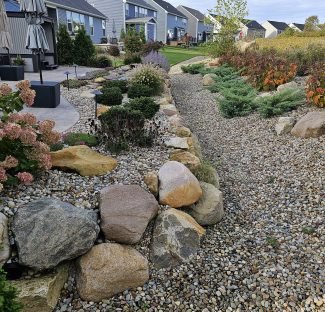
Add Gravel or Permeable Surfaces
These materials allow water to pass through instead of pooling on the surface.
Prevention Tips for Long-Term Results
Once you fix the issue, you will want to prevent it from coming back.
• Avoid compacting soil with heavy equipment
• Maintain proper grading
• Keep drainage paths clear
• Use mulch to manage moisture levels
These steps help maintain a balanced and healthy landscape.
When to Call a Professional
Some drainage problems are more complex and require expert help.
You should consider a professional if:
• Water collects near your home foundation
• Large areas are affected
• Drainage issues keep returning
• You are unsure about grading or installation
Experts can assess your yard and provide long-term solutions.
Final Thoughts
Water is essential for a healthy landscape, but too much of it in the wrong places can cause serious damage.
By understanding poor drainage in landscaping, you can take the right steps to fix the issue and protect your outdoor space.
A well-drained yard is not only healthier but also easier to maintain and enjoy.