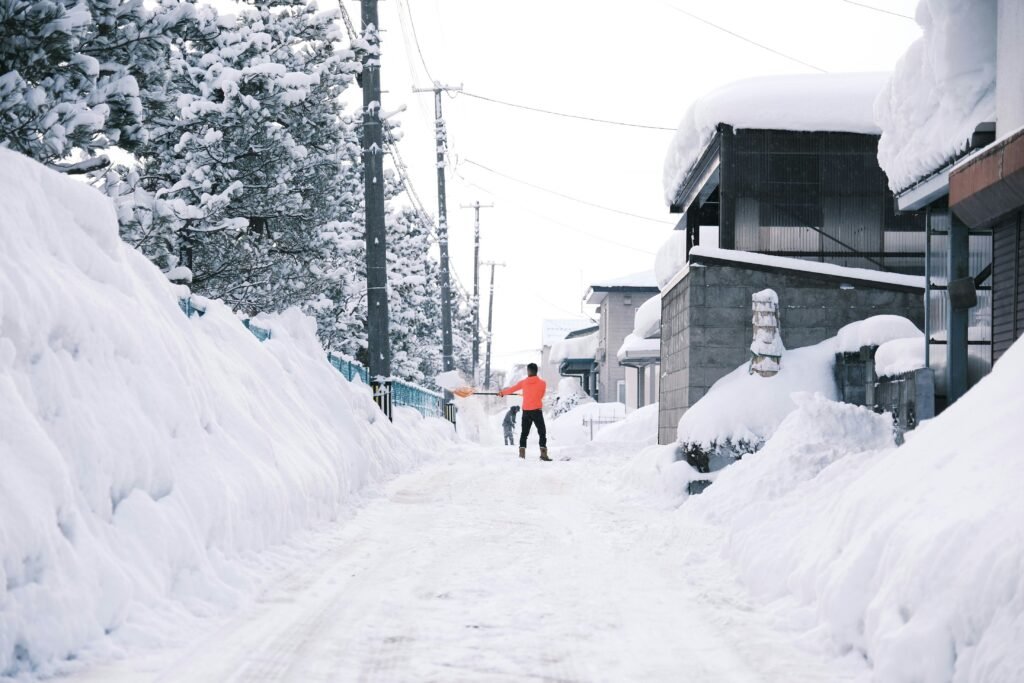
When winter arrives, snow can turn everything into a beautiful white wonderland—but it also brings one of the season’s most challenging chores: shoveling snow. Whether you’re clearing your driveway, walkway, or front steps, this task is a yearly reality for millions of homeowners. While it’s great exercise and a satisfying way to keep your property accessible, shoveling can also be physically demanding and even dangerous if not done properly.
Before you grab your shovel and head out into the cold, it’s important to understand the right techniques, safety tips, and strategies that make shoveling snow in winter easier, faster, and safer.
Why Shoveling Snow Matters
Keeping your property clear of snow is more than just about appearances—it’s about safety and practicality. Snow-covered sidewalks can quickly become slippery, increasing the risk of slips and falls. Driveways buried in snow make it hard for vehicles to move, and if ice builds up underneath, it can damage your pavement over time.
In many cities, homeowners are also legally required to clear sidewalks within a certain time after a snowfall to prevent accidents. Beyond that, having a clear path means easier access for mail carriers, delivery drivers, and emergency services.
Prepare Before You Start Shoveling
The key to safe and effective snow removal begins before you even step outside. Proper preparation makes the task more manageable and helps you avoid injury or exhaustion.
1. Choose the Right Shovel
Not all snow shovels are the same. Pick one that matches your body size and strength.
- Curved handles reduce strain on your back by allowing a more natural posture.
- Lightweight materials like plastic or aluminum are easier to lift.
- Ergonomic grips make it easier to push and lift snow comfortably.
If your area gets frequent heavy snowfall, consider using a pusher-style shovel to move snow without lifting it.
2. Dress for the Weather
Wear warm, layered clothing that you can adjust as you work. Start with moisture-wicking materials to keep sweat away from your body, then add insulating layers and a waterproof jacket. Don’t forget:
- Gloves or mittens with good grip
- Waterproof boots with traction
- A hat or earmuffs
- A scarf or neck warmer
Being warm and dry keeps you comfortable and reduces fatigue.
3. Warm Up Your Muscles
Shoveling snow is like a full-body workout. Treat it that way by warming up for 5–10 minutes before you start. Gentle stretches, arm circles, and short walks help increase blood flow and loosen your muscles, especially your back and shoulders.
4. Plan Your Approach
Before you start digging, decide where you’ll pile the snow. Avoid blocking driveways, sidewalks, or street drains. If you expect more snow later, create a central pile that’s easy to add to without obstructing your path.
Shoveling Techniques for Efficiency and Safety
Good technique not only saves time but also protects your back and joints from injury.
1. Push, Don’t Lift
Whenever possible, push the snow instead of lifting it. This reduces strain on your lower back. Use your legs to drive the shovel forward, and move the snow to the side in sections.
2. If You Must Lift, Lift Smart
Sometimes you’ll need to lift—especially when clearing stairs or tight corners. When lifting snow:
- Bend at the knees, not at the waist.
- Keep your back straight.
- Use your legs to lift and throw the snow.
- Avoid twisting your torso; pivot your entire body instead.
Lifting with proper form prevents muscle strain and reduces the risk of injury.
3. Take Breaks Often
Even if you feel fine, take short breaks every 15–20 minutes. Overexertion can lead to fatigue and increase your risk of heart strain—especially in cold weather. Listen to your body, stay hydrated, and step inside for a few minutes to warm up if needed.
4. Work in Layers
Tackling snow in layers can be easier than removing deep piles at once. If the snowfall is heavy or ongoing, shovel periodically instead of waiting for it all to accumulate. Clearing smaller amounts multiple times saves time and effort overall.
5. Avoid Overloading the Shovel
It might be tempting to scoop large amounts at once, but that’s a fast way to tire yourself out—or hurt your back. Smaller, lighter scoops are safer and allow you to keep a steady rhythm.
Tools That Make Snow Removal Easier
If manual shoveling feels overwhelming, there are tools designed to help.
- Snow blowers: These machines can quickly clear driveways and sidewalks with minimal effort. Electric models are lightweight and ideal for smaller areas, while gas-powered ones are better for large or sloped driveways.
- Ice melt or rock salt: Use de-icers to prevent slippery surfaces. Spread it before or after shoveling to reduce ice buildup.
- Snow pushers and plows: If you have a long driveway, attachable pushers for vehicles or ATVs can handle large amounts of snow efficiently.
Investing in the right equipment can save time and reduce physical strain, especially if you live in areas with frequent snowfall.
Safety Tips for Shoveling Snow
While shoveling can be great exercise, it also puts stress on your heart and muscles. It’s important to stay safe, especially during cold conditions.
- Avoid shoveling right after eating or smoking: Both can increase strain on your heart.
- Stay hydrated: Cold air can be dehydrating, even if you don’t feel thirsty.
- Know your limits: If you have heart disease, asthma, or other medical conditions, consult your doctor before shoveling.
- Watch for warning signs: If you feel chest pain, dizziness, or shortness of breath, stop immediately and seek help.
Turn Shoveling Into a Positive Winter Routine
Instead of viewing snow shoveling as a dreaded chore, try to make it part of your winter fitness and self-care routine. You’ll burn calories, get fresh air, and enjoy the satisfaction of a clean, safe property. Some people even find it relaxing—a quiet time to think while surrounded by falling snow.
Listen to music, set a comfortable pace, and appreciate the winter landscape around you. You might find it’s not as bad as it seems.
When to Hire Professional Help
If you’re unable to shovel safely due to health concerns, time constraints, or heavy snowfalls, hiring a professional snow removal service is worth it. Many local companies offer affordable seasonal contracts for driveways and sidewalks. You’ll have peace of mind knowing your property is cleared safely and on time.
Conclusion
Shoveling snow in winter doesn’t have to be a dreaded task. With the right preparation, tools, and technique, it can be safe, effective, and even enjoyable. Start by dressing warmly, pacing yourself, and using proper form. Clear snow early and often, push instead of lift, and remember to take breaks to avoid overexertion.
Whether you do it yourself or hire help, keeping your walkways clear ensures safety for you, your family, and your neighbors. Embrace it as part of the season’s rhythm—and when you finish, reward yourself with a warm drink, a cozy blanket, and the satisfaction of a job well done.