Mulching is one of the easiest ways to improve soil health, reduce weeds, and keep plants thriving, but many gardeners are unsure about the right thickness. Understanding how deep should mulch be applied is important because too little mulch will not protect your soil, while too much can harm plant roots.
Mulch acts like a protective blanket. It regulates soil temperature, locks in moisture, and reduces weed growth. However, the depth of that blanket makes a big difference in how effective it is.
According to the University of Minnesota Extension, proper mulch application helps conserve soil moisture, reduce weed pressure, and improve long-term soil health when applied at the correct depth.
Why Mulch Depth Matters
Before learning how deep should mulch be applied, it helps to understand why depth is so important.
Mulch that is too thin:
- Does not block weeds effectively
- Dries out quickly
- Offers poor insulation for roots
Mulch that is too thick:
- Can suffocate plant roots
- Traps excess moisture
- Encourages mold and rot
- Prevents proper air circulation
The right balance ensures healthy soil and strong plant growth.
Ideal Mulch Depth for Most Gardens
In most home gardens, the recommended mulch depth depends on the type of plant and location.
General guidelines include:
- 2 to 3 inches for flower beds
- 2 inches for vegetable gardens
- 3 to 4 inches for trees and shrubs
- Up to 5 inches for pathways or decorative areas
These ranges provide enough coverage without overwhelming the soil.
How Deep Should Mulch Be Applied Around Trees
Trees need slightly different care compared to smaller plants. When considering how deep should mulch be applied around trees, less is often more.
Best practices:
- Apply 2 to 4 inches of mulch
- Keep mulch a few inches away from the trunk
- Spread it evenly in a wide circle, not a mound
- Avoid piling mulch directly against bark
This prevents rot and encourages healthy root development.
Mulch Depth for Flower Beds
Flower beds benefit from a moderate layer of mulch that supports soil moisture while allowing delicate roots to breathe.
Recommended approach:
- 2 to 3 inches of mulch is ideal
- Replenish once or twice a year as it breaks down
- Avoid covering plant crowns or stems
This helps flowers stay hydrated and reduces weed competition.
Vegetable Garden Mulching Depth
Vegetable gardens require a lighter mulch layer compared to trees and shrubs.
Best practice includes:
- 1.5 to 2 inches of mulch
- Use fine mulch like straw or shredded leaves
- Keep space around plant stems open
This ensures proper airflow and prevents fungal issues while still retaining moisture.
Adjusting Mulch Depth by Season
Another important factor in how deep should mulch be applied is the season.
In warmer months:
- Use slightly thinner layers to prevent overheating
- Focus on moisture retention
In colder months:
- Apply a slightly thicker layer for insulation
- Protect roots from freezing temperatures
Adjusting depth seasonally improves plant survival and performance.
Choosing the Right Type of Mulch
Mulch depth also works differently depending on material type.
Common options include:
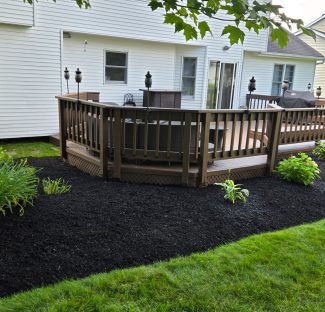
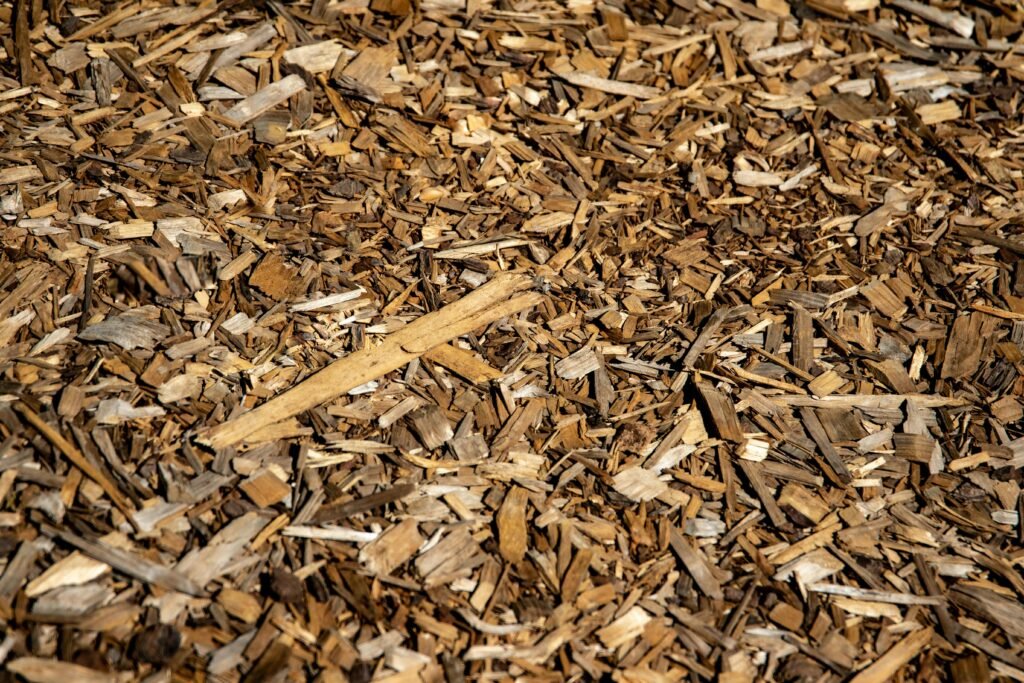
- Organic mulch like bark, wood chips, or straw
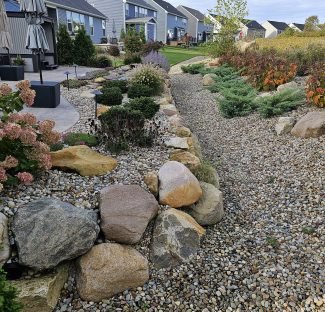
- Inorganic mulch like gravel or stones
Organic mulch breaks down over time, so it may need replenishing more often. Inorganic mulch lasts longer but does not improve soil quality.
Common Mistakes to Avoid
Many gardeners unintentionally misuse mulch, which reduces its benefits.
Avoid:
- Piling mulch against plant stems or trunks
- Applying more than 4 inches in most garden areas
- Letting old mulch build up too thick over time
- Ignoring air circulation around plants
Correct application ensures long-term soil health and plant growth.
Final Thoughts
Knowing how deep should mulch be applied is essential for maintaining a healthy and balanced garden. The right depth improves moisture retention, controls weeds, and protects plant roots without causing damage.
For most gardens, 2 to 3 inches is the sweet spot, while trees and shrubs may need slightly more. By applying mulch correctly and adjusting it based on plant type and season, you can create a healthier and more resilient landscape with less maintenance effort.